News & Views
Making goals happen - one letter at a time
Whether you're setting business goals or personal ones, the SMARTER framework is one of the most effective tools you can use. Paula has put together a short video series walking through each letter - practical, honest, and filmed on location from her training rides to a hilltop in Kent. Start with S and work your way through.
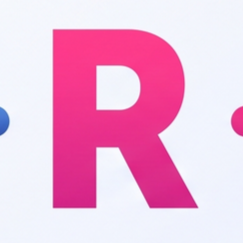
The finish line isn't just a destination. It's proof of everything you put in to get there. “Nothing feels so good as when you've succeeded at something you set out to do.” We made it. Seven letters, seven posts, and one very important journey. If you've been following this series from the beginning, you'll know that back in January we started with a goal — a triathlon in July. And as I write this, sitting in the garden with an iced coffee and a medal around my neck, I can tell you: it happened. R is for Reward. And it might just be my favourite letter of the lot.
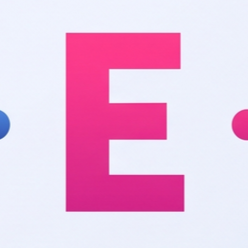
Setting a goal is just the beginning. What keeps it alive — and keeps you moving towards it — is what you do in between. “Evaluating what you're doing is so important. What worked, what didn't, what can I do better?” We're six letters into the SMARTER framework now. We've covered Specific, Measurable, Achievable, Relevant and Time-bound. Today we reach E for Evaluate — and I'll be honest with you, I think this might be the most important letter of the lot.
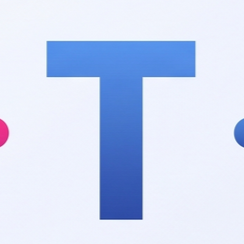
A goal without a deadline is just a wish with good intentions. Here's why putting a date on it changes everything. “Having that end date is something that gives you the enthusiasm, the commitment, and the motivation to continue.” We're now on T in the SMARTER Goals series - and this one is beautifully simple. T stands for Time-Bound, or Targets. It means giving your goal an end date.
Short-term goals are more powerful when they're built towards something bigger. Here’s why relevance is what keeps you going when motivation dips. “Goals that are shorter term in nature, but built to a bigger vision, are the most motivating that you can get” So far in this series we've looked at S for Specific, M for Measurable, and A for Achievable. Now we come to R for Relevant -- and this one is about making sure your goals are connected to something that genuinely matters to you.

Setting goals that actually stick 🎯 Small targets, big results — whether you're training for a triathlon or just getting out the door on a rainy day. Consistency beats perfection every time. What's your next goal? Follow us here.
Ambition is a wonderful thing. But set the bar too high and it can work against you. Here's how to find the sweet spot. "Having goals that are achievable doesn't mean downgrading your expectations. It's about providing a goal that you know, if you work hard and do the things you need to do, could be achieved." So far in this series we've looked at S for Specific — getting crystal clear on what you want — and M for Measurable, making sure you can track your progress along the way. Now we come to A for Achievable. And if you're anything like me, this one will resonate.
You've made your goal specific. Now how do you know you're actually getting there? The answer is in the M. "The more you can define your goals, the more likely you are to achieve them." Last time we looked at S for Specific — turning vague wishes like "I want to get fit" into something concrete and actionable. If you missed it, go back and start there, because everything builds on that foundation. Now we move to M for Measurable. And this one is just as important, because a goal without a measure is still just a wish.
Your New Year’s resolutions haven’t failed, they just need a sharper edge. Here's how one simple shift can change everything. “We make New Year's resolutions — let's call them goals. But they can be a bit vague. The way to make them happen is to actually define them better.” It's that time of year when those bold January intentions have quietly faded into the background. "Get fit." "Lose weight." "Grow my business." Sound familiar? You're not alone — and more importantly, you haven't failed. Your resolutions just need a better framework.

Why Filing Your Own MTD Returns Isn't a Good Idea

HMRC has increased the Approved Mileage Allowance Payment rate from 45p to 55p per mile for the first time in 15 years. Find out what the new rates mean for employees, directors and self-employed individuals from 6 April 2026.

The Power of Mentorship in Tracy Bland’s Success

Do you work from home? If you do, either full-time or part-time, you may be eligible to claim certain expenses either against your own taxes or your Limited Company ones. Many factors will determine what you can claim such as working location, employment status (employee, self-employed, company director), and how much of your home is used for work. What can I claim as an employee of a company? You can claim: A flat-rate allowance of £6 per week (or £26 per month) without needing to provide evidence of expenses. This is the simplest method and can be claimed via your tax code or tax return. The actual costs (if you don't use the flat rate) which can include a proportion of the following: Heating and electricity Internet and phone bills Water (if it’s metered and usage is clearly work-related) You cannot claim rent or mortgage interest unless you're self-employed. These expenses can be claimed via HMRC’s online portal if they have not already been reimbursed by your employer! What can I claim if self-employed (sole trader or via a Partnership)? Here you have two options: 1. Simplified Expenses (Flat Rate) Based on hours you work from home each month: 25–50 hours/month → £10/month 51–100 hours/month → £18/month 101+ hours/month → £26/month 2. Actual Expenses Method You can claim a proportion of: Rent or mortgage interest (not capital repayments) Utilities (gas, electricity, water) Council tax Internet and phone Cleaning and maintenance Home insurance (if work-related) You’ll need to work out the percentage of your home used for business, usually by the number of rooms (not including bathrooms, corridors, storage space) or square footage. One word of warning is never claim the whole use of a room for business as every room will have duality in use. This is also important if you own your home as a room declared purely an office could attract Capital Gains Tax when the property is sold. We suggest that any room should only be claimed at 90% for business. And only one room can be used, not a multiple! These costs should be included on your Self-Assessment tax return. Can I make a claim for these expenses in my Limited Company? Yes, you most certainly can. At MPower Accounting we not only recommend using the actual expenses method as set out above, we provide our clients with a bespoke spreadsheet to calculate these expenses, and others such as mileage, on a month-by-month basis. These amounts can then be claimed as expenses to the Company and paid out to you. It is one of the tax efficient methods of taking money from your business. Capturing and calculating monthly your regular working from home expenses is the best way of ensuring they are recorded correctly. To help you do this we are offering a free download of the spreadsheet usually only available to our clients; please use the link below to get this. Paying taxes is a necessary evil but I am a firm believer in minimising this liability for both individuals and companies. Correctly claiming working at home expenses is one way to reduce your tax bill. Please do contact us if we can help you further identifying all the expenses you can claim and also for further assistance in how to correctly use and populate the downloaded template.

HMRC are starting to send out letters to sole traders and landlords in the initial steps towards Making Tax Digital for Income Tax. If you receive one of these letters do not panic, help is at hand. So let’s answer your most asked questions about Making Tax Digital. What is Making Tax Digital for Income Tax? Making Tax Digital for Income Tax (MTD for ITSA) is a UK government initiative aimed at modernising the tax system. It will require individuals and businesses to keep digital records and submit tax information to HMRC using compatible software. It is part of a broader initiative to digitalise tax returns and follows on from the changes already implemented for VAT reporting. Will Making Tax Digital affect me? MTD for ITSA will affect individuals who: Are self-employed (e.g. sole traders) and/or landlords (earning income from property). Have a total income over £50,000 per year (combined from self-employment and property). Are currently required to complete a Self-Assessment tax return. From April 2026 , MTD for ITSA will be mandatory for those earning over £50,000. From April 2027 , this threshold will reduce to £30,000. What will I have to do if my earnings are over the threshold? You will need to keep digital records for income and expenses which will mean using MTD compatible software. This will be a major change for those of you still keeping paper records. Instead of submitting an annual self-assessment return you will need to submit quarterly updates 4 times a year to HMRC. At the end of the tax year an End of Period Statement (EPOS) and a Final Declaration will need to be submitted which essentially replaces the current Self-assessment return. All of these will be required digitally, paper records and manual calculations will no longer be accepted. This means that instead of 1 annual return you will need to make 6 submissions! So what software do I need to use to keep digital records? Acceptable software include: QuickBooks Xero FreeAgent Sage or, HMRC-recognised spreadsheet tools with bridging software ( not highly recommended ) No more shoeboxes of receipts or manual books — everything must be digitally recorded. When will I need to register for MTD? You’ll need to sign up for MTD for ITSA before April 2026 . This is a deadline and not a target, signing up early is always advisable. HMRC will provide a service for you to do this but having the guiding hand of an accountant will make this a much easier task.

Most of you will probably think the latter. If you are an employee, you’ll probably be pleased that you’re going to have the same take home pay as you did before the budget so why worry about the rest? Well, you should because your hard-earned money is not going to be worth as much going forward due to this budget. So rather than the usual budget round up lets dig deeper into the impact on us all of the increase in Employers National Insurance rate . Although all businesses will be impacted by this measure it is the smaller ones that will feel the greatest effect. Small businesses are heralded as the backbone of our economy. Small and Medium Enterprises (SME’S) make up 99% of all UK businesses, employ 61% of total employees and produce a combined turnover of £2.4 trillion. I work with owners of such enterprises and they are the hardest working people I know. Running a small business can be very rewarding personally but often not financially. It is simply a myth that owners of SME’s sit back and enjoy the profits of others labours; most are working long hours every day just to make ends meet. The rise in National Insurance Contributions, arguable the biggest measure in the budget, will have a devastating effect on this the backbone of our economy. An increase in the rate to 15% coupled with the lowering of the threshold when it is paid to £5, 000 is forecast to generate £20 billion in tax revenue. Yes, the allowance every business receives before contributions are payable has increased to £10, 500 but really this is just a small drop in the growing ocean of the tax burden. The additional cost to a small business of this measure alone will be enough to push some owners to call it a day and close their doors. That will be a hard blow for some of those 61% employed workers affected by company closures; it won’t matter what was on their payslip as they no longer will receive one. Business closure is just one impact from this increase. This measure is a tax on jobs, on working people, absolutely guaranteeing lower wages and higher prices. Tax and employee national insurance contributions may not have increased on the payslip but the amount of money any worker receives will be worth less going forward. The Office for Budget Responsibility (OBR) have already forecasted that 76% of the increase in Employers National Insurance will be passed on to everyday people through lower real wages, a combination of pay freezes/cuts and increased prices. So, the definition of who the working person is has once again been dangerously misunderstood. No wonder that we are already hearing of owners who have decided they can no longer continue. The Labour government claims that this is a budget for growth but already the OBR has downgraded the UK’s forecast for growth. How can there be growth without our small businesses, the backbone of the British economy. It is not a green light for our economy, the future is not even orange. Like the colour of the party that is responsible for delivering on the budget promises, the future could very easily be red. It is without doubt that we are all going to pay the price for Labour’s extensive spending plans so I hope that they invest our money wisely. We are experts in small business and have analysed all the budget announcements and how they may affect SME’s. We can assist you with understanding how the increase in both National Insurance contributions and also minimum wage will affect your business and help you develop strategies to minimise the impact of this additional cost burden. Get in touch with us today to discuss how we can support your business through these changes and ensure you’re well-prepared for the future.
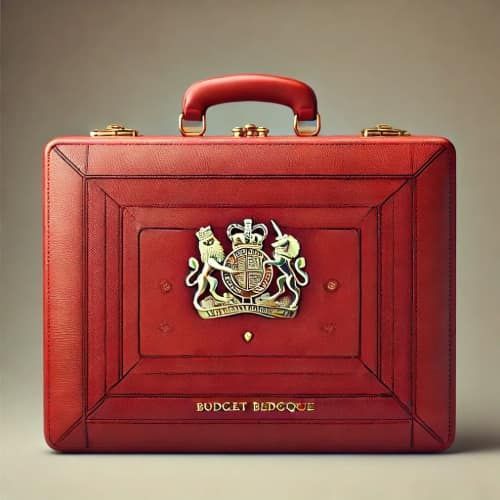
On the 30th October 2024 the Government will deliver the first Labour budget for over a decade. More than that, it will be the first budget ever to be delivered by a woman, Chancellor Rachel Reeves.

Bookkeeping is the backbone of any successful business, ensuring that financial records are accurate, up-to-date, and compliant with legal requirements. In the UK, there are different specific regulations and practices depending on whether your business is a Limited Company or files taxes through the self-assessment process. In both cases efficient bookkeeping crucial not only to ensure taxes are reported correctly but also to provide ongoing management information to improve critical business decisions.

So why could filing your self-assessment return early save you money? So many people who need to file returns wait until the last minute but this could cost unnecessary expense in payments on account to the Revenue.
Updates on funding and assistance Bounce Back Loan Scheme (BBLS)